Home & Kitchen 7 min read
8 Things That Built Our Homes in the Age of Iron
Take a trip through the heavy, cast-iron pages of the past to see the humble hardware that held our history together before plastics took over everything.
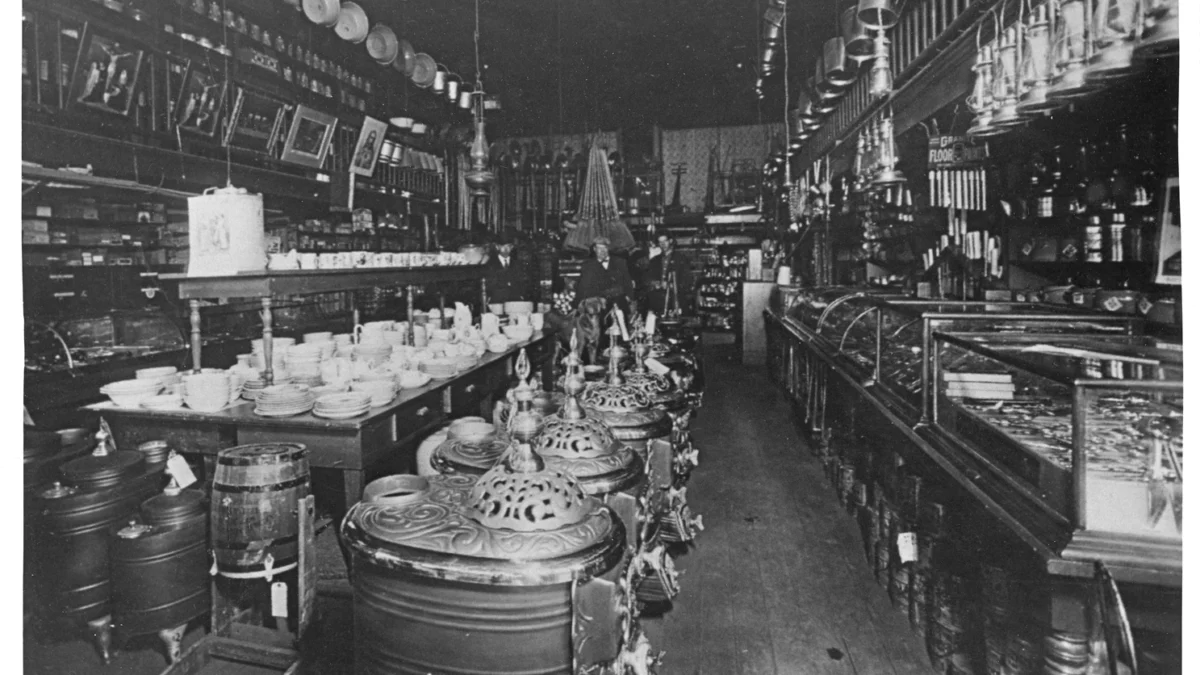

You might think hardware is just a trip to the local big-box store, but in the early 20th century, the hardware catalog was the lifeblood of progress. These thick, dusty books were more than just lists of screws and nails. They were manuals for building a civilization. Whether you were fixing a fence in the American Midwest or securing a storefront in early colonial India, these tools provided the muscle for a growing world.
You can almost smell the sharp, metallic tang of cold-rolled steel and the scent of sawdust just by flipping through the pages of a 1920s hardware guide. For many, these catalogs were the only way to see what was possible. They transformed how we designed our spaces, from heavy-duty hinges on barn doors to the delicate, ornate locks that greeted guests at the front door. These items remind us that objects once had weight, purpose, and a permanence we often struggle to find in today’s world of disposable goods. Let’s look at some of the foundational hardware that turned houses into sturdy, functioning homes.
Number 1: Heavy Cast-Iron Hinges Held the Farm Together
The cold, grainy texture of cast iron against your palm defined the 1916 Louden machinery catalog. These barn door hangers were built to withstand brutal winters and heavy, sliding wooden doors that spanned 10 feet or more. You had to account for every ounce, as these hangers often cost under 5 dollars for a full set. They were engineered for the kind of work that demanded reliability, moving tons of hay in and out of the loft every season.
Think about the sheer force required to keep a massive wooden door on its track for 40 years. It was not about aesthetics; it was about preventing the structure from buckling under the pressure of the elements. These iron components were the unsung heroes of the agrarian lifestyle. When you hear that deep, slow rumble of a sliding barn door today, you are listening to a piece of engineering that prioritized endurance above all else. Iron never asked for a vacation.
Source: Louden hay unloading tools, barn and garage door hangers, dairy barn equipment, (1916)

Number 2: Intricate Door Handles Offered a Formal Welcome
The sharp, polished chill of a brass knob greeted visitors in the 1909 Russell and Erwin catalog. These ornate handles, often priced around 75 cents for a standard interior set, turned a simple doorway into a statement piece. They were molded with intricate floral patterns that felt smooth to the touch yet sturdy enough to survive decades of daily use. Homeowners picked these designs to show status, ensuring every room felt finished and intentional.
Brass, unlike the lighter alloys used today, required regular polishing to maintain its gleam. You had to care for it, and in return, it provided a sense of continuity that felt permanent. The weight of the mechanism inside the door frame gave the action of locking up at night a satisfying, heavy click. It was a tangible signal that the house was secure and the work day was officially over. A home felt protected by the simple, enduring brilliance of polished metal.
Number 3: Sturdy Padlocks Protected Goods from Rough Hands
The metallic snap of a steel shackle closing tight was the sound of safety in the 1919 Sears Roebuck hardware catalog. You could buy a reliable, iron-body padlock for 40 cents, a small price to pay for the security of your tools or your trunk. These were rugged, functional pieces of kit, often weighing nearly 1 pound in your pocket. They weren’t meant to be pretty, but they were meant to stay shut.
In an era where many goods moved by rail or wagon, having a way to lock down your possessions was essential. These locks were the gatekeepers of private life. For a young reader, it is easy to forget how much faith was placed in these simple gravity-fed mechanisms. They represent a time when property was guarded by physical barriers rather than digital encryption. When that lock clicked into place, you knew exactly where you stood.
Number 4: Precision Door Closers Changed Public Spaces Forever
A smooth, pressurized hiss accompanied the closing of a door in the 1937 Yale hardware catalog. These hydraulic door closers, priced at 12 dollars, removed the frustration of doors slamming shut in high-traffic buildings. They were heavy, black-painted cylinders that looked like miniature steam engines mounted at the top of the frame. You felt the resistance of the oil as you pulled the door open, a tactile push-back that felt surprisingly sophisticated.
These devices were a marvel of modern building management. Before these units became common, buildings were often noisy and drafty, as doors were left hanging open or left to bang against the frame. With a quick turn of a screw, the installer could adjust the speed, tailoring the door’s motion to the needs of the room. It was the birth of the automatic building, an invisible assistant that made the modern office or shop feel just a little bit more managed.
Source: Yale catalog no. 29.: builders’ locks and hardware, door closers. (1937)
Number 5: Standardized Nails Were the Silent Builders of Growth
The sharp, jagged bite of a steel nail against your skin was common in the 1926 Fort Pitt hardware catalog. A box of 10 pounds of common wire nails served as the skeleton of almost every home built that year. These weren’t just scraps of metal; they were precisely cut fasteners designed to hold wood together for a century. You bought them by the size, usually measured in inches, and they formed the hidden grid behind your drywall.
It is strange to think that our homes are mostly held up by millions of these small, pointed soldiers. Without them, the grand designs of architects would be nothing more than piles of lumber. Whether you were hammering into pine or hardwood, the consistent feel of the nail seating into place provided a sense of structural comfort. You knew the house was solid because you could feel the grip of the steel holding tight to the frame.
Number 6: Hand-Forged Hammers Provided the Worker’s Rhythm
The resonant, dull thud of a hickory handle hitting a workbench defined the 1914 Wyeth hardware catalog. A professional-grade claw hammer, costing around 90 cents, was an extension of the carpenter’s own arm. These tools had a weight distribution that felt perfect, balancing the heavy steel head against the smooth, worn wood. You could spend all day swinging it, the vibration moving through your grip, until the tool and the hand felt like one.
This was an age where tools were not thrown away; they were passed down as heirlooms. A hammer from 1914 was built to last for decades, often outliving its owner. The simple act of pulling a nail with the claw felt like a test of strength and leverage. It was a rhythmic, meditative process that turned a pile of raw materials into a home. When you held a tool like that, you understood that your work would outlast your own lifetime.
Source: Wyeth’s Annual Catalog : 1914 Hardware Edition : No. 104 (1914)
Number 7: Specialized Locks Secured the Privacy of Families
The tiny, metallic jingle of keys against a steel ring filled the hallways of the 1941 P. & F. Corbin catalog. Locks were sold as complex systems, with custom finishes like dull chrome or polished bronze starting at 3 dollars per assembly. You could feel the precision of the tumblers when you slid the key in, a smooth, mechanical dance that felt entirely secure. These weren’t just latches; they were the guardians of the family’s inner life.
You relied on these mechanisms every single night before going to bed. The act of turning the key provided a psychological boundary that made the outside world feel miles away. It is fascinating how a simple piece of cut metal can provide so much peace of mind. Even today, the sound of a well-made lock snapping shut still triggers that same feeling of returning to a safe, private place after a long day.
Source: Catalog no. 28 M: P. & F. Corbin locks and builders’ hardware (1941)

Number 8: Cabinet Hardware Added a Modern Touch to Kitchens
The cool, slippery finish of chrome-plated cabinet pulls dazzled the eye in the 1950 Stanley hardware catalog. For about 25 cents per piece, you could upgrade a tired kitchen with sleek, streamlined hardware that felt like the future. These pulls were designed with soft curves that fit the hand comfortably, making it easy to open heavy cupboards. They signaled a change in the kitchen, moving away from rustic utility toward a cleaner, more efficient workspace.
As the postwar era began in 1950, these small details allowed households to modernize without building a new home from scratch. You could see the light bounce off the polished edges, making the smallest rooms feel brighter and larger. It was a simple, affordable way to bring a bit of shine into your daily routine. Every time you pulled a drawer, the tactile pleasure of the chrome reminded you that your home was evolving along with the rest of the world.
Source: Stanley hardware: catalog 71 (1950)
These catalogs were more than simple inventories; they were the blueprints of the life we grew up in. They remind us that the items we touch every day have a history of their own, built by the heavy metal of the past. When you look around your home today, which piece of hardware do you think will still be there in a hundred years?