Retro Technology 7 min read
9 Lessons Learned from Faded Camera Manuals
Before the internet, we kept a thin booklet to guide our photography. These manuals reveal how much our relationship with capturing moments has changed.
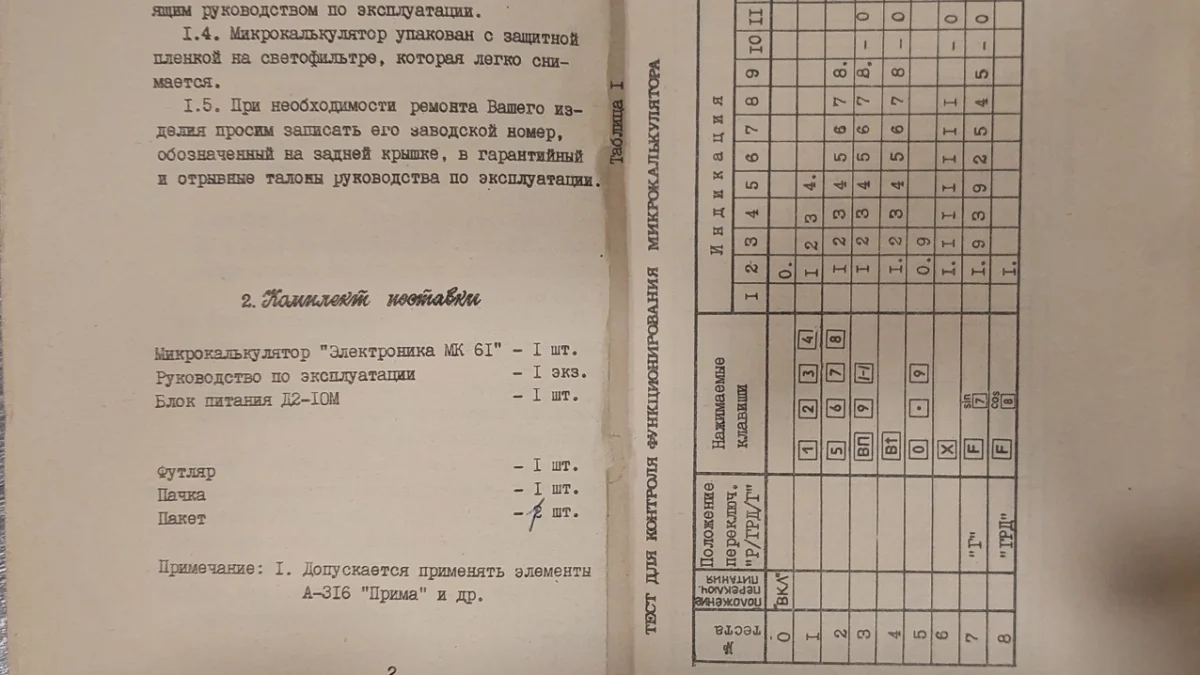

You probably remember the thrill of unboxing a new camera. Whether it was a heavy metal SLR or a sleek plastic point-and-shoot, the first thing you did was pull out that thin, often confusing, paper manual. For many of us, this booklet was the only barrier between a blurry mess and a perfect family portrait.
These manuals were more than just dry lists of instructions. They represented a time when photography required patience, physical calibration, and a deep trust in the machinery. You had to learn the relationship between light and film, a skill that now feels almost lost. Today, we carry high-resolution sensors in our pockets, but we have lost the tactile satisfaction of a physical shutter release and the specific, mechanical hum of a film advance lever. Looking back at these documents offers a window into how we viewed the world through a lens decades ago. It reminds us that photography used to be a deliberate act, requiring study before you could even dream of pushing the button. Let us revisit these relics, not to mourn the past, but to see how the simple act of taking a photo has been transformed forever by software and convenience.
Number 1: The Canon AE-1 Defined the Amateur Professional Era
When the Canon AE-1 arrived in 1976, it changed everything for enthusiasts who wanted professional results without a degree in physics. The manual was a masterclass in complexity, detailing the intricate electrical circuits that controlled the shutter speeds. It demanded you understand the 35mm film format, which was the standard for high-quality prints for decades.
You spent hours reading about ASA film speeds and depth of field, terrified that one wrong setting would ruin your 24 exposures. This manual served as a bridge, teaching you how to balance an aperture of f/1.8 with the internal light meter to get the perfect shot. Eventually, dedicated digital SLRs with automatic sensors replaced these complex systems, making light metering a background task.
The physical act of focusing by hand was a meditative ritual. You miss that precise click of a mechanical lens locking into place.
Source: canon – camera – AE-1 Program – Service Manual

Number 2: Pentax K1000s Taught Millions the Basic Fundamentals
If you learned photography in a high school class during 1975, you definitely handled a Pentax K1000. Its manual was famously sparse, focusing on the basics of light and shadow rather than fancy software. It guided you through the 1/1000 second shutter speed, ensuring you could freeze fast-moving action in the midday sun.
The manual emphasized manual controls over everything else, forcing you to think before you clicked. You had to physically wind the film after every frame, a process that cost you roughly 10 cents per shot in film and development costs. It was eventually replaced by fully automatic digital point-and-shoots that made manual settings look like ancient history.
The beauty was in its stark, unbreakable simplicity. It forced you to earn every single frame you shot.
Number 3: The Yashica MAT 124G Was A Medium Format Dream
Holding a Yashica MAT 124G in 1970 felt like carrying a piece of industrial art. The repair manual highlights the complexity of the twin-lens system, which used 120 film to create massive, detailed negatives. You peered down into a viewfinder at waist level, a strange experience for anyone used to eye-level cameras.
This camera felt heavy in your hands, weighing nearly 2.5 pounds, which helped steady those long exposures. The manual detailed how to manage the crank mechanism, which was a notorious point of failure if you forced it too quickly. Over time, digital medium-format cameras and high-end smartphones replaced these clunky, beautiful beasts.
You had to be patient while composing a square image. It felt like painting with light rather than just recording it.
Number 4: Olympus Stylus Zooms Were the Ultimate Pocket Companions
By the time the Olympus Stylus Zoom 140 hit the shelves in 1998, people wanted style and convenience. This manual promised a 38-140mm zoom range in a body that could actually fit inside a jacket pocket. It was the perfect camera for weddings or family trips where you didn’t want to carry a bulky bag.
The manual touted its weather-resistant casing, a huge deal for beach vacations in the late nineties. You could carry it everywhere for a retail price around $300, and it just worked. It was eventually replaced by the smartphone camera, which made the standalone point-and-shoot entirely redundant for most casual photographers.
You never worried about the settings, just the framing. It was the peak of carefree, spontaneous documentation.
Number 5: Kodak Manuals Helped Beginners Master Their Snapshots
In 1940, Kodak produced manuals that were essentially the bible for the average family photographer. These documents taught you how to arrange your subjects in natural light, ensuring that the 120-size film was loaded correctly to prevent light leaks. Every page was filled with diagrams for basic composition, helping you avoid cutting off the heads of your friends.
For about 25 cents, you could buy booklets that explained the basics of home darkroom development. You learned how to handle chemicals with care, a stark contrast to today’s instant digital sharing. Specialized mobile apps and auto-editing software eventually replaced these paper guides.
There was something magical about seeing a picture appear in a tray of liquid. It made the invisible process of chemistry feel like genuine magic.
Number 6: Early Digital Video Found a Home in Panasonic
The Panasonic NV-DS15, introduced in 2000, brought digital video into the home at a scale we had never seen before. Its service manual is a massive document covering the miniature tape drive and digital signal processing. You captured memories on MiniDV tapes, which could store up to 60 minutes of video in standard play mode.
This was the era where you transitioned from bulky analog VHS tapes to a device that could fit in one hand. It was replaced by flash-memory camcorders and eventually the internal sensors of our phones. You spent hours editing via FireWire cables, hoping your computer wouldn’t crash during the transfer.
You felt like a pro filmmaker with that tiny LCD screen. It was the start of the high-definition revolution.
Source: Panasonic Service Manual – Digital Video Camera/Recorder – NV-DS15, NV-DS150 (2000)
Number 7: Fujifilm GA645 Cameras Combined Rangefinder and Automation
The Fujifilm GA645, released around 1995, was a unique bridge between old-school medium format and new-school autofocus. The manual detailed its sophisticated built-in meter, which helped you get the perfect exposure for every shot on the 6×4.5cm negative. It was the kind of gear a serious hobbyist saved up for, often costing over $1000.
You adjusted the focus using a lens that was sharp enough to see every pore on a subject’s skin. It was eventually pushed aside by digital sensors that provided instant feedback and infinite shots. The manual was thick, filled with warnings about the fragile autofocus motors that made this camera so capable.
You had to trust the camera’s logic, which was a big leap. It felt like handing your creative power over to a machine.
Source: fujifilm – camera – GA645 – Owner’s Manual GA645 W – Owner’s Manual
Number 8: Pentax IQZoom 160s Were Peak Late-Century Point-and-Shoot
The Pentax IQZoom 160 manual from 1999 reads like a list of every feature you could possibly pack into a plastic shell. It boasted a 38-160mm lens, offering incredible range for a consumer product. You paid roughly $200 for this versatile camera, which became the standard for vacation photos at the turn of the millennium.
The manual walked you through the myriad flash modes, including red-eye reduction, which was an essential feature for indoor gatherings. It was eventually replaced by high-end smartphone cameras that offer better optics without the clunky film-winding noise. You remember how the camera would whir loudly, taking 3 seconds to retract the lens after you powered it down.
The plastic body felt flimsy, but the pictures were always sharp. It was the last great gasp of the film era.
Source: pentax – camera – IQZoom 160 – Operating Manual
Number 9: The SQ11 Mini Camera Represents Our Tiny Future
If you look at a manual for the SQ11 from recent years, you see how far we have drifted from tradition. This tiny camera, often costing less than $10, is little more than a 1080p sensor inside a plastic cube. The manual is just a single sheet explaining how to toggle between photo and video modes with a single button.
There is no view-finder and no focus ring to adjust. You just stick it anywhere, record for 90 minutes, and hope for the best. It represents the total automation of the capture process, replacing the craft of photography with the efficiency of surveillance.
It feels like a toy, yet it does more than cameras that once cost a month’s wages. When was the last time you actually held a manual for a device you use every day?
Source: China SQ11 Camera – Manual
These manuals remind us of a time when every shot had a cost and every mistake was a lesson. We used to study to understand our tools, but now we just tap a glass screen. Looking back at these pages, do you miss the physical effort of photography, or are you happy that the technology finally got out of your way?