Retro Technology 9 min read
8 Ways the Kodak Instamatic Changed How We Saw Ourselves
From humble beginnings to pocket-sized marvels, the Kodak Instamatic turned the average family snapshot into a global cultural phenomenon for everyone.

In the mid-1960s, photography was a chore. You had to thread film, fiddle with exposure settings, and pray that your focus was sharp. Then, Kodak introduced the Instamatic, a series of cameras that changed everything. By using a simple drop-in cartridge system, the company invited people who had never touched a camera before to start documenting their lives.
The genius of the Instamatic was its approachability. It did not matter if you were in suburban Ohio or downtown Manila; if you could load a plastic cartridge, you were a photographer. These cameras turned the act of taking pictures into a low-stakes hobby that felt more like play than technical labor. Suddenly, birthdays, backyard cookouts, and school plays were no longer just memories, but physical objects you could hold in your hand. The following items look at the economics of the Instamatic era, tracing how this simple plastic device reshaped family albums across the world for a generation of amateur shutterbugs. Whether you grew up using one or only recognize the chunky, retro shape from old photos, there is a specific charm here that digital photography has never quite managed to replicate for us.
Number 1: The 1963 Launch Made Photography Cheap for Families
When the original Instamatic debuted in 1963, the company leaned hard into accessibility. By stripping away complex manual controls, they reduced the barrier to entry significantly. The base models were priced aggressively, often retailing for around $16. This was a deliberate move to place high-quality imaging into as many homes as possible. For families living on tight budgets, this meant they could finally afford to capture moments that were previously reserved for professional portrait studios.
The system was designed around the 126 film cartridge. You just pushed it into the back of the camera until it clicked into place. There was no threading of film strips or winding onto take-up spools. You could load it while standing at a picnic table or sitting in a car without worrying about light leaks. Because the camera was so reliable, it became a staple of the middle-class lifestyle. You likely recall the frustration of dropping the camera, yet it almost always worked perfectly the next time you pressed the shutter. It was a sturdy, reliable companion that lived in a kitchen drawer until the next holiday. It felt less like a sophisticated tool and more like an essential household appliance, much like a toaster or a vacuum.
Source: Kodak Instamatic 100 Camera Manual

Number 2: The 1971 Movie Camera Brought Hollywood Into Homes
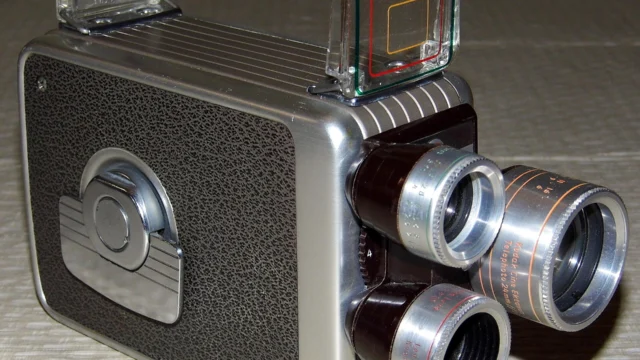
By 1971, the Instamatic brand had moved beyond still photos to conquer home movies. With a compact movie camera, Kodak promised that anyone could film their own cinematic history. These cameras often retailed for approximately $85, a significant investment for a luxury hobby at the time. Yet, the appeal was undeniable. You were no longer just taking snapshots; you were directing your own motion pictures.
Commercials of the era featured celebrities showing how simple the system was to use. It was meant to look effortless, capturing family moments with a professional flair. The film cartridges were small and lightweight, perfect for travel or keeping handy during a busy weekend. When you think back to these films, you might remember the distinct mechanical whir of the motor or the way the footage flickered when projected onto a white wall. It was a tactile experience. You had to wait days to get the film developed, creating a sense of anticipation that modern digital users will never understand. That short period of waiting made the final results feel like a genuine event, especially when the whole family gathered around the projector to watch the grainy, warm colors of their own lives flicker into reality.
Source: Kodak Instamatic Movie Camera with Dick Van Dyke (1971)
Number 3: Pocket Instamatics Were Designed for the Modern Traveler
In 1974, Kodak shifted its focus to portability with the Pocket Instamatic line. These sleek, rectangular cameras were built to fit easily into a coat pocket or a small purse. They were designed for the person on the move, costing roughly $30 for a basic kit. By making the hardware smaller, Kodak ensured that you never missed a spontaneous photo opportunity because your camera was too heavy to carry.
The design felt futuristic compared to the clunky boxes of the previous decade. It was the birth of the truly casual snapshot. You did not need a bulky camera bag anymore. You could simply pull the camera out, slide it open, and snap away. This convenience changed how people behaved at social gatherings. Photos became candid rather than staged affairs. You might have seen these cameras at festivals, airports, or street markets across the globe. They were the constant accessory for a generation that was beginning to travel more frequently. It felt like you were liberated from the weight of your equipment, allowing you to focus entirely on the subject in front of you. That sense of freedom was exactly what Kodak wanted you to feel when you bought their new, slimmer hardware.
Source: 1974 advertisement for Kodak Pocket Instamatic cameras (1974)
Number 4: Projectors Made Every Living Room a Private Cinema
No home movie setup was complete without a reliable projector. The M80 model, common in the 1970s, allowed families to watch their 8mm or Super 8 films with ease. You could purchase one for around $120, which was quite a commitment for most households. Yet, it turned a weekend evening into a premiere. The projector had to be perfectly aligned with the screen, and you had to ensure the room was dark enough to see the details.
The sound of the cooling fan was the universal soundtrack to these evenings. It created a specific atmosphere, a mixture of anticipation and mechanical noise, that defined the home viewing experience. Because the reels were limited to about 3 minutes of footage, you were constantly stopping to change the film. This gave everyone a chance to talk and laugh about the clips they just saw. It was a social, communal activity rather than a solitary one. You weren’t just watching a video; you were reliving the summer trip or the holiday party together. Even now, the smell of warm dust and hot lamp bulbs might trigger a strong sense of nostalgia for those quiet, dark rooms where the memories were projected.
Number 5: The 1965 Sound Projector Added Audio to Memories
When the M100 sound projector hit the market in 1965, it added a new dimension to amateur filmmaking. Being able to record or play back synchronized sound meant that home movies were no longer silent pantomimes. At a price point that could reach upwards of $200, this was high-end gear for the serious enthusiast. It was an attempt to bridge the gap between amateur home films and the professional cinema experience you saw at the local theater.
Setting up the sound was a technical challenge that required patience. You had to ensure the tape matched the film speed, but the result was worth the extra effort. Hearing the voices of loved ones from decades ago provides an emotional connection that silence simply cannot replicate. It turned a flat recording into a living document. You might remember the scratchy audio quality or the way the sound seemed to lag slightly behind the movement on screen. It was imperfect, sure, but it was authentic. It captured the tone of a person’s laugh or the background noise of a bustling street in a way that remains deeply moving for those who preserved these recordings for their descendants to enjoy today.
Source: Kodak Instamatic M100 sound projector for super 8 films – 1965:
Number 6: Kodak Captured the Global Amateur Photography Market
Kodak understood that to dominate the market, they needed to simplify the entire process. By 1970, their advertising was everywhere, emphasizing that the Instamatic system removed all the guesswork. They sold millions of units globally, with some basic models costing less than 10 pounds in the UK market. This wide availability meant that whether you lived in a rural village or a dense city, the Kodak brand was a familiar, trustworthy name that promised consistent results.
You likely remember the bright yellow boxes of film that you could buy at almost any pharmacy or grocery store. These stores were common, like Boots in the UK or local chemists, ensuring you were never far from a fresh roll of film. The standardization was key to their success. It did not matter if you were taking photos at a wedding or on a quiet Sunday; you knew what to expect from the output. The consistency gave users confidence. You did not have to worry about complex exposure settings, which were the biggest deterrent for novices. It gave you the power to be a visual storyteller, even if you had no formal training in composition or light. That simplicity was a quiet revolution in personal technology.
Source: KODAK INSTAMATIC
Number 7: The X-15 Offered Reliable Performance for Everyone
The X-15 model, released later in the series, became a symbol of the durable, plastic-cased camera that populated millions of households. It was affordable, often found for about $25, and designed for harsh handling. You could toss it into a beach bag or a child’s backpack without much worry. This camera was the workhorse of the Instamatic family, reliable and utterly unpretentious in its design.
Its simplicity was its greatest strength. It featured a fixed-focus lens, which meant everything from a few feet away to infinity stayed relatively clear. You didn’t have to fiddle with dials or light meters; you just aimed and pressed the shutter. The mechanical clunk it made was iconic. It felt solid in your hand, a heavy piece of molded plastic that promised to work every single time you needed it. For many, this was the first camera they ever owned, the one that taught them how to look at the world through a viewfinder. It didn’t take high-art photos, but it captured the people you loved in the places you spent your time. And for most of us, that was more than enough.
Source: Kodak Instamatic X-15 camera (2021)
Number 8: KodakColor II Changed the Quality of Amateur Prints
By the time Kodacolor II film cartridges became the standard, the clarity of amateur snapshots had improved drastically. A pack of film usually cost about $4.99, and it brought a level of color fidelity that felt like a major leap forward. Before this, many home photos appeared muddy or overly orange. The new chemistry meant that faces looked more natural and the colors of the outdoors became vibrant, even in simple cameras.
This improvement encouraged people to take more pictures of their daily lives. You weren’t just saving film for special occasions; you were using it for everything. The resulting prints, often square and framed with that familiar white border, became the standard aesthetic for family albums for decades. They looked honest. They showed your family as they were, not as a commercial would present them. You might have folders of these photos tucked away in a dusty closet right now. Looking through them feels like opening a door to the past, with colors that still hold a warmth that digital files seem to lack. It was a time when your physical collection of prints was the most valuable thing in the house.
Source: KODAK KODACOLOR II INSTAMATIC 110 CARTRIDGE CAMERA COMMERCIAL 51014
The Kodak Instamatic era was defined by this shift toward mass-market accessibility. It was a time when the technical weight of photography was lifted, leaving only the joy of the image behind. These cameras and projectors made us the historians of our own small, quiet lives. Looking back, do you still have a box of old prints from your family’s first Instamatic, or has the collection been lost to the years?